Stitch: A Font for Creative Campaigns
It’s 9:15 a.m., and I’m staring at a blank canvas in Canva, trying to figure out how to make this Instagram post stand out. The campaign is for a seasonal sale, and the visuals are almost ready—except for the text. That’s when I remember I have Stitch in my design toolkit. It’s not just a font; it’s a statement.
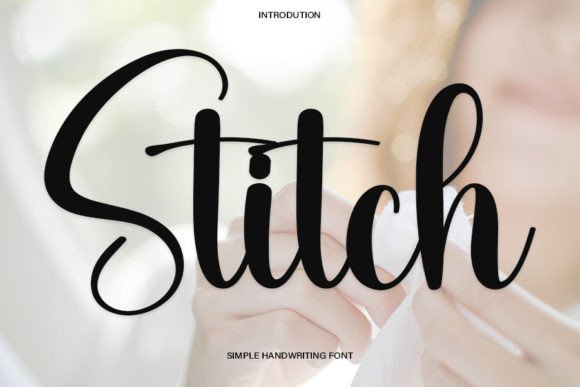
Stitch is a delicate handwritten font that feels like it was scribbled on a napkin during a late-night brainstorm. Its soft curves and subtle irregularities give it a personal, authentic vibe. It’s perfect for campaigns that want to feel approachable yet stylish. Whether it’s a product launch or a promotional banner, Stitch adds that extra touch of character without overwhelming the message.
How Stitch Fits Into Real Campaigns
Let me walk you through a recent project. We were promoting a new line of artisanal snacks, and the goal was to create a sense of exclusivity and craftsmanship. The packaging needed a logo, and the social media posts had to feel cohesive across platforms. Stitch was the ideal choice for the brand’s headline text.
On Instagram, we used Stitch for the post captions and the “Limited Edition” banners. It gave the content a handcrafted feel that aligned with the product’s story. For YouTube thumbnails, we paired it with a bold sans serif for contrast, making the title pop while still maintaining a warm, inviting tone.
One of the biggest challenges in digital marketing is ensuring readability across different devices. Stitch works well on mobile screens, especially when used for short headlines or callouts. Its legibility improves when paired with a clean, modern sans serif like Montserrat or Poppins. This combination keeps the design professional while letting Stitch shine as a decorative element.
Stitch in Action: Practical Use Cases
For a webinar promotion, we used Stitch in the header of the email blast. The font added a personal touch that made the invitation feel more like a direct message than a generic ad. On Pinterest, we applied it to the title of a recipe pin, where it stood out against the background without distracting from the image.
Another example was an online shop campaign. We used Stitch for the “New Arrivals” banner on the homepage. It caught the eye instantly and created a visual link between the website and the social media graphics. The font’s unique style helped reinforce the brand’s identity without being too flashy.
When designing for dark backgrounds, Stitch holds up surprisingly well. Its light weight and open spacing prevent it from looking cramped or hard to read. On light backgrounds, it adds a soft contrast that makes the text feel more dynamic. It’s also great for image overlays, where it can be used to highlight key phrases or quotes.
Best Practices for Using Stitch
Stitch is best suited for short headlines, callouts, and decorative titles. It’s not the best choice for long paragraphs, but as a display font, it excels in creating visual interest. When used in logos or branding materials, it adds a human touch that can differentiate a brand from competitors.
Before using Stitch in any campaign, check the included styles, alternates, and ligatures. These features can add depth and variety to your designs. Also, make sure to review the commercial font licensing terms if you’re planning to use it in client projects, merchandise, or digital products.
For multilingual support, Stitch covers most common Latin-based languages, which is essential for global campaigns. If you’re working on a project that requires multiple languages, this ensures consistency across different regions without needing to switch fonts.
Pairing Stitch with Other Fonts
Font pairing is crucial for creating balanced, visually appealing designs. Stitch pairs well with a range of typefaces, depending on the mood you want to convey. For a modern, clean look, pair it with a sans serif like Roboto or Lato. For a more traditional feel, a serif font like Playfair Display or Georgia can provide contrast and elegance.
If you’re going for a more casual, creative vibe, consider pairing Stitch with another handwritten font. This creates a layered effect that can work well for editorial design or packaging. However, be careful not to overdo it—too many script fonts can clutter the design and reduce readability.
In web design, Stitch can be used as a heading font, especially for landing pages or blog intros. It adds personality without compromising on usability. Just make sure to test it across different browsers and screen sizes to ensure it looks good everywhere.
Whether you’re designing for social media, email, or print, Stitch offers a versatile solution that can elevate your campaign’s visual appeal. Its unique style and practical applications make it a valuable addition to any designer’s or marketer’s toolkit.
As I wrap up this project, I know that Stitch wasn’t just a font choice—it was a decision that helped shape the campaign’s voice. It made the message feel more personal, more intentional, and more memorable. And that’s what great design does: it connects.