Romance History Font for Creative Makers
There’s something magical about the moment a handmade label comes to life with the right font. I was recently working on a set of candle labels, and I found myself reaching for the Romance History font—part of the Script Amp collection. It felt like the perfect match for the soft, elegant vibe I wanted to create.
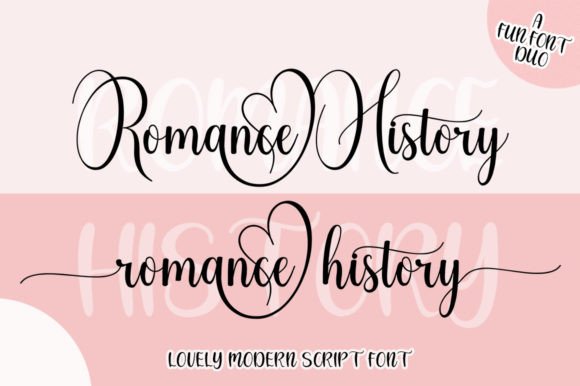
Romance History is a font duo that blends a modern sans serif with a beautiful handwritten script. The result is a typeface that feels both refined and personal. It has a warm, inviting personality that works well for anything from wedding invitations to farmhouse signs. The script style adds a touch of romance, while the sans serif offers clarity and balance.
I’ve used Romance History on everything from greeting cards to printable wall art. It’s especially effective when paired with a clean, simple sans serif for contrast. For example, I often pair it with a basic sans serif for headings or titles, letting the script shine on smaller details like names or decorative phrases.
One of my favorite uses for Romance History is on product packaging. Whether it’s a small boutique tag or a custom box label, the font adds a sense of quality and care. It makes the product feel more thoughtful, which is exactly what I want for my handmade items. Customers can see the effort put into the design, and that translates to a better shopping experience.
When I’m designing seasonal products, like holiday tags or birthday invitations, Romance History helps set the tone. The font’s flowing lines and soft curves give it a classic, timeless feel. It’s perfect for anything that needs a little extra charm, whether it’s a simple sticker or a detailed invitation.
For digital printables, the font is just as useful. I’ve created printable planner pages and wall art using Romance History, and the results are always elegant. It works well in both large and small sizes, making it versatile for different projects. I’ve also used it for social media graphics, where its visual appeal stands out without being overwhelming.
When working with cutting machines like Cricut or Silhouette, I always check the font’s readability. Romance History holds up well on small stickers and labels, but it’s important to test it at different sizes. Sometimes, adjusting the spacing or using alternate characters can make a big difference in how the text looks when cut.
Another thing I appreciate about Romance History is its versatility. It can be used for short phrases, names, or even longer text, though it’s best suited for display purposes rather than body copy. The font’s swashes and ligatures add a nice touch to decorative wording, making it ideal for logos, headings, or special announcements.
I’ve used Romance History on tote bags and shirts, where it adds a subtle yet stylish element. It works well for names, quotes, or slogans, and the combination of the script and sans serif gives it a balanced look. Whether it’s a simple design or something more intricate, the font enhances the overall aesthetic without overpowering the item.
When creating shop materials, like listing images or packaging, I find that Romance History elevates the presentation. It helps maintain brand consistency across different products, which is essential for building customer recognition. A cohesive look makes the shop feel more professional and trustworthy.
For wedding stationery, the font is a real standout. I’ve used it on welcome boards, place cards, and save-the-dates, and it always gets positive feedback. Its elegance and warmth make it perfect for events that require a personal touch. The font’s ability to convey emotion through typography is one of its strongest assets.
When choosing fonts for a project, I always consider the mood and message I want to convey. Romance History is ideal for anything that needs a romantic, refined, or nostalgic feel. It’s a great choice for handmade businesses looking to add a touch of sophistication to their designs.
Before using any font for commercial purposes, I always check the licensing terms. Romance History includes all the necessary styles, alternates, and ligatures, making it easy to use in a variety of projects. It supports multiple languages, which is helpful for international customers or multilingual designs.
Overall, Romance History is a valuable addition to any designer’s toolkit. Whether you’re creating labels, invitations, or digital printables, this font offers a unique blend of style and functionality. It’s a great example of how the right typeface can transform a project from ordinary to extraordinary.
As a maker, I know how important it is to have the right tools. Romance History has become one of my go-to fonts for its beauty, flexibility, and ease of use. It’s a font that truly brings creativity to life.
From candle labels to wedding invitations, Romance History adds a touch of class and charm. It’s a font that speaks to the heart of handmade design, and I’m always excited to see how it transforms each new project.